The return arrived. Is the unit sellable again?
A refund does not tell you whether a unit can be sold again, or when. Follow the physical item before ordering more stock.
The purchase decision starts with the physical unit
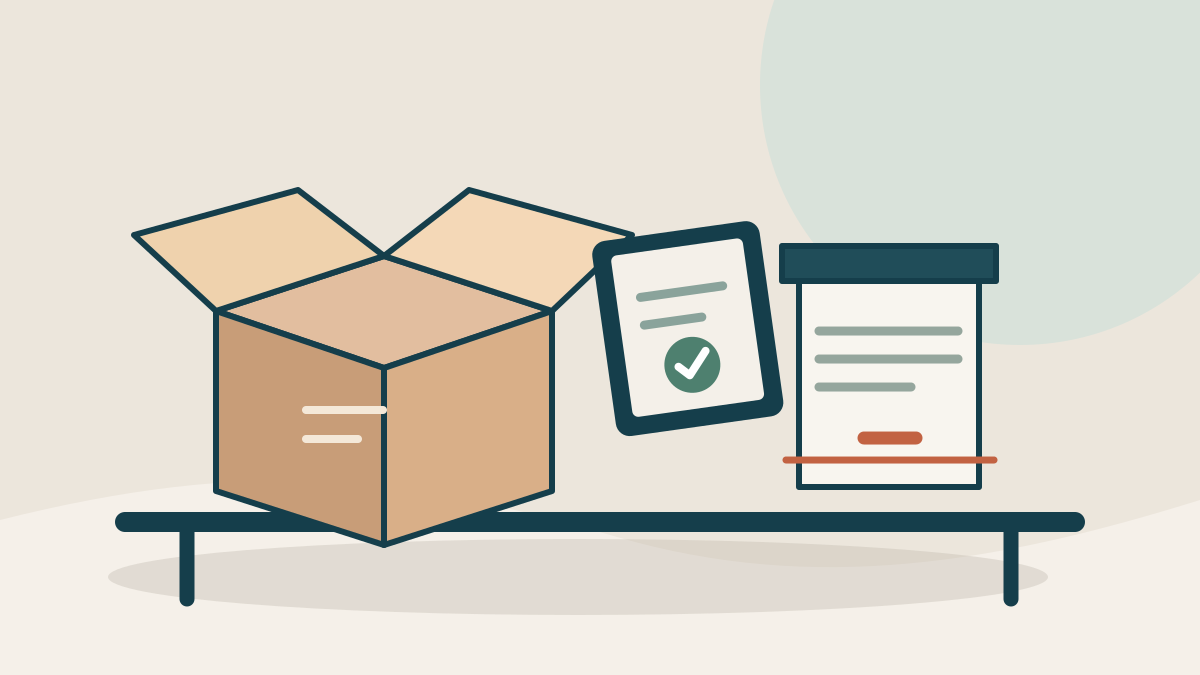
Before replenishing a product with frequent returns, ask what happened to the units that came back. A return can appear in a sales report and reverse revenue while the item is still in transit or waiting for inspection. Count that unit as available and you may order too late. Write off every returned unit immediately and you may buy more stock while usable units are about to reappear. The decision needs three views of the same order: the money, the physical item, and the time until that item can be offered again. One return-rate percentage does not provide them.
Noon says customer-returned units under FBN go back to the warehouse from which they shipped and pass quality control. Units that pass can return to noon Express inventory. A unit that fails follows a different route, including a seller request to retrieve non-saleable stock. This is the FBN flow noon describes, not a promise that every return can be resold or that inspection always takes the same time in every category. Check the actual status for the product you sell. [1]
The handoff differs elsewhere. Amazon Saudi Arabia says it handles returns for FBA orders and describes different storage, delivery, and return-handling options for Easy Ship and Self-Ship. Noon's grading or removal fees should never be copied into an Amazon calculation. The transferable question is simpler: has a refunded item actually become sellable inventory, and who is responsible for knowing its state? [4]
The same return rate can describe two different products
Imagine two products that each sold 100 units over comparable periods. Ten units of each came back: a ten-percent return rate in both cases. In this expressly hypothetical example, eight returned units of the first product pass inspection and can be offered again; two cannot. For the second product, only two pass and eight remain non-saleable. These are invented numbers for illustration, not market evidence or a forecast for either category. They show why the return count alone cannot justify an identical replenishment decision for both products.
A sales dashboard gives both products the same apparent problem. Operationally, the second may consume more replacement stock, more inspection or transport work, and more time before a recoverable value is known. Do not assume the seller is paid the full value of a damaged return. Noon's seller-protection policy links some compensation to the condition assigned after quality control and says applicable payouts are net of referral fees and other relevant noon fees. The result depends on the case and policy terms, not the fact of a return alone. [2]
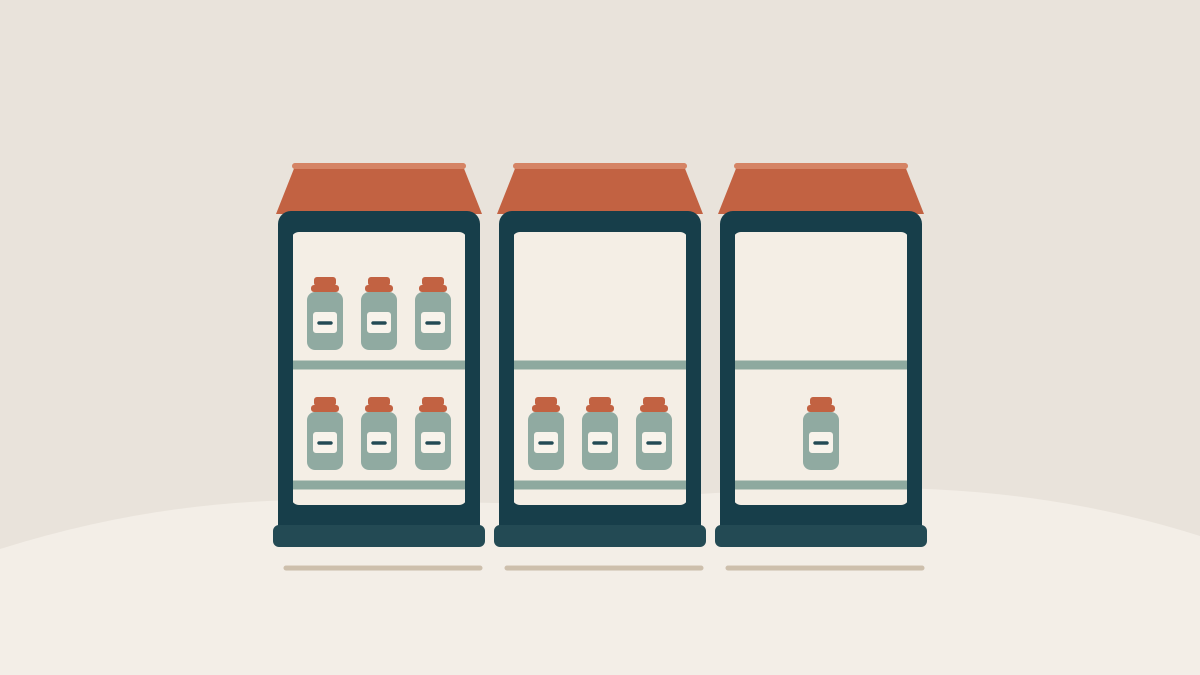
The accompanying figure separates the ten returned units into saleable and non-saleable outcomes. Its important lesson is the extra question to add to a report: how many units rejoined sellable inventory, how many await inspection, and how many have left the normal selling cycle? Keep pending units in their own state. If a result arrives after the reporting period closes, update the cohort instead of treating an early snapshot as the final answer.
Product design and presentation can influence what arrives back. A sealed item with a short shelf life is different from a durable product that can be checked and offered again. Noon's published quality-control examples vary by category and include contents, packaging, use, seals, and expiry where relevant. Those examples explain why one broad return assumption can mislead; they are not a universal checklist for every item. Inspect the reasons and condition recorded for your own SKU before changing its packaging or listing. [2]
10 returns / 100 sold
10 returns / 100 sold
Illustrative example: each product sold 100 units and received 10 returns. These numbers are not market data or a forecast. The example assumes inspection is complete; track units awaiting inspection separately. Process source, not a source for the numbers: noon Seller Help Center, managing FBN returns and quality checks.
A return changes stock and cash on different dates
A customer's return request can put revenue at risk before the physical item reaches a warehouse. Receipt comes next, then inspection, then a decision about whether the unit can be offered again. A settlement adjustment or protection claim can arrive on another date. Recording all of these under one line called 'returned to stock' erases the delay that matters to replenishment. For each return cohort, keep the request date, receipt date, inspection result, and date the unit became sellable again, if it did.
For a non-saleable FBN unit, retrieval is a commercial choice with costs. Noon's Saudi FBN schedule lists inventory-removal charges that depend on the collection method and on weight or dimensions, with a minimum per request. It also identifies other charges that may apply to non-saleable inventory. Use the current Saudi schedule and your settlement to evaluate the actual item. Retrieval is not automatically valuable just because you originally paid for the product; the item may need transport, inspection, repair, or disposal before it has any recoverable value. [3]
Doing nothing is still a choice. Noon's inventory-removal policy distinguishes saleable and non-saleable stock and describes return-to-vendor and other outcomes. The seller should compare what the unit could recover after retrieval with transport and handling costs and the likelihood that it can be sold through another suitable route. The original purchase cost has already been incurred. The question now is which permitted next step recovers the most value from this point, with product safety and customer trust intact. [5]
What to review before the next purchase order
Choose one SKU with recurring returns and follow a set of orders until each returned unit has a final state, not merely a refund notice. Separate units resold or cleared for sale, units judged non-saleable, units still pending, and disputed or missing units. Match the groups to credit notes, settlement lines, protection claims, and removal charges where applicable. If outcomes are still unresolved, record how many units remain pending and their last update date rather than assigning them an optimistic value.
Compare that SKU with a similar product or an earlier period while noting changes to price, packaging, product-page description, and fulfillment route. If most returns quickly become sellable again, the timing of your reorder may matter more than buying a larger batch. If many units never return to saleable stock, investigate why they were returned and how they arrived back before pushing more inventory into the channel. Two inspected returns do not establish a pattern; wait for enough cases to see whether the result repeats.
Make one contained decision this week: delay a purchase, reduce the next batch, or test a packaging, content, or fulfillment change on one product. Set a condition for revisiting it, such as the share of units that become sellable again and the time they spend pending, then compare settled contribution afterward. Returns become evidence about whether this product can scale responsibly, rather than a customer-service count that sits outside the inventory decision.
Sources
- noon Seller Help Center: managing FBN returns and quality checks
- noon Seller Help Center: returns and seller protection policy
- noon Seller Help Center: FBN fees in Saudi Arabia, inventory removal
- Amazon Saudi Arabia: fulfillment options and returns responsibility
- noon Seller Help Center: inventory removal policy